For many international professionals and family members in the United States, the ability to work legally is the most critical component of their immigration journey. While certain visas allow for employment with a specific sponsor, many other immigration categories require a separate document to enter the labor market. This document is the Employment Authorization Document, commonly referred to as an EAD card.
Navigating the application process for a work permit involves understanding specific eligibility codes, managing strict filing timelines, and ensuring that all supporting evidence aligns with USCIS requirements. As of 2026, procedural updates and fee adjustments have made a strategic approach to Form I-765 more important than ever.
What Is an EAD Card (Employment Authorization Document)?
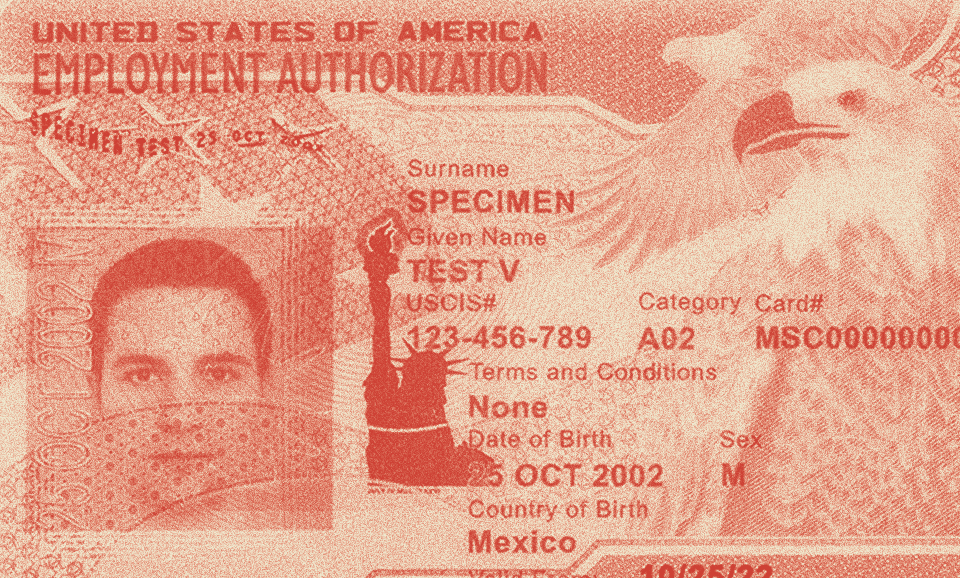
An Employment Authorization Document (EAD) is a photo identification card issued by U.S. Citizenship and Immigration Services (USCIS) that provides temporary authorization to work in the U.S. Often referred to as Form I-766, this card serves as proof to employers that you are legally allowed to be hired for a specific period.
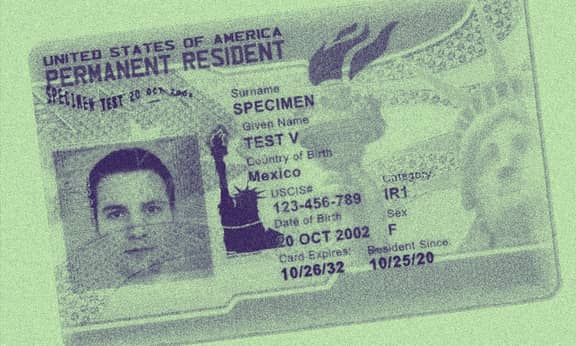
An EAD is distinct from a Green Card or a work visa. A Green Card grants permanent residency and indefinite work authorization, while an EAD is a temporary permit tied to an underlying immigration status or pending application. Unlike many work visas that restrict you to a single employer, an EAD typically provides “open” authorization, allowing you to work for any U.S. employer.
Not everyone who is allowed to work in the United States needs this card. Lawful permanent residents prove their right to work with the Green Card itself, and people whose status authorizes work for a specific employer, such as H-1B, L-1B, O and P workers, need no EAD for that job. The card is for those whose permission to work has to be granted or documented separately: applicants with a pending adjustment of status, F-1 students on OPT and the spouses of certain visa holders are the most common groups.
Who Is Eligible to File Form I-765?
Eligibility to file Form I-765 is not ever-encompassing; it is limited to certain immigration categories defined by the Department of Homeland Security. Every applicant must identify their specific eligibility category on the form, which determines the evidence required and the duration of the permit.
Common categories eligible for an EAD include:
- Adjustment of Status Applicants: Individuals with a pending Form I-485 application.
- F-1 Students: Those seeking Optional Practical Training (OPT) or facing severe economic hardship.
- Spouses of Certain Visa Holders: For example, L-2 spouses of L-1 intra-company transferees.
- Asylum Seekers: Applicants who have had an asylum application pending for an established number of days.
- DACA Recipients: Individuals with approved Deferred Action for Childhood Arrivals.
- Refugees and Parolees: Those granted temporary protected status or humanitarian parole.
Identifying your correct eligibility category is the most fundamental step in the EAD process. Because each category carries its own set of rules and required documentation, a mistake here can lead to an immediate denial of your work authorization.
How to Fill Out & File Form I-765 Step by Step
Filing Form I-765 requires precision, as a single missing signature or an incorrect category code can lead to an immediate rejection of the file.
Here below is a step-by-step breakdown of the process:
- Determine Your Category: Identify your eligibility code (e.g., (c)(9) for adjustment of status) from the USCIS instructions.
- Complete the Form: Ensure all fields are filled accurately. If a question does not apply to you, type “N/A” or “None” unless otherwise stated.
- Gather Supporting Evidence: This includes copies of your current passport, I-94 arrival/departure record, and proof of your current immigration status.
- Include Passport-Style Photos: You must provide two identical color photographs taken within the last 30 days.
- Submit the Filing Fee: Attach the correct fee or a request for a fee waiver if eligible.
- File with USCIS: Depending on your category, you may file online or mail a paper application to the appropriate Lockbox facility.
The filing process is more than a simple administrative task—it is a legal submission that must align completely with your immigration history. Successful applicants treat the form and its supporting documents as one cohesive package to minimize the risk of government scrutiny.
I-765 Filing Fees & Current Processing Times
The costs and wait times associated with an EAD application can vary based on the underlying immigration category and the method of filing.
Filing Fees
As of 2026, the standard filing fee for Form I-765 is:
- $470 for online filing
- $520 for paper filing

However, some applicants—such as those filing concurrently with a Form I-485—may be exempt from this fee or pay a reduced amount depending on when their initial application was filed. Always verify the current fee on the USCIS website before submitting.
Current Processing Times
Processing times for EAD cards remain one of the most variable aspects of the immigration process. Here is a breakdown of typical processing times by category:
- Some categories (like OPT): 2 to 4 months
- Other categories: 6 to 12 months or longer
- Premium Processing (certain categories only): 30 days for an additional fee
If waiting would cause real harm, you can also ask USCIS to expedite a pending application. The agency considers requests case by case, for reasons such as severe financial loss or an urgent humanitarian situation, and it states that the need for a work permit alone does not justify faster handling.
Understanding the financial and temporal requirements of the I-765 is vital for effective personal and professional planning. By budgeting for these costs and anticipating long wait times, you can better manage the transition into the U.S. workforce without unexpected interruptions.
EAD Card Renewal, Replacement & Automatic Extensions
Employment authorization is rarely permanent; most EAD cards have an expiration date. Managing the renewal process is essential to avoid gaps in legal employment.
To maintain continuous work authorization, consider the following options:
- Renewals: You should generally file for a renewal no earlier than 180 days before your current card expires.
- Automatic Extensions: These have largely ended. For renewal applications filed on or after October 30, 2025, DHS no longer extends an expiring EAD automatically while the renewal is pending. The exceptions are extensions set by law or by a Federal Register notice, such as those for Temporary Protected Status.
- Replacements: If your card is lost, stolen, or contains incorrect information, you must file a new Form I-765 and pay the filing fee again (unless the error was caused by the government).
Proactive management of your card’s expiration date is the only way to make sure that your right to work remains uninterrupted. Keeping a close eye on the renewal window matters all the more now that a pending renewal no longer extends the old card.
FAQ
- How long does it take to get an EAD card after filing I-765? Processing times vary by category and generally range from 2 to 10 months. Some categories allow for expedited processing for an additional fee.
- Can I work while my EAD renewal is pending? In most cases only until your current card expires. Renewals filed on or after October 30, 2025 no longer extend the old card automatically, so file as early as the 180-day window allows.
- What is the difference between an EAD card and a work visa? A work visa (like H-1B) requires a single employer sponsorship, whereas an EAD card usually provides “open” authorization to work for any U.S. employer.
- Do I need an EAD if I have a Green Card? No. A Green Card (Permanent Resident Card) is evidence of indefinite work authorization; you do not need a separate EAD.
- Is there a fee for an EAD filed with a pending asylum case? Initial EAD applications for asylum seekers are currently fee-exempt, but renewal applications usually require the standard filing fee.
- What is the “Category Code” on Form I-765? This is a three-character code (like C09 or A05) that tells USCIS which immigration program entitles you to work authorization.
- Can I travel outside the U.S. while my I-765 is pending? This depends on your underlying status. For many (like Adjustment of Status applicants), traveling without a separate “Advance Parole” document can lead to the abandonment of your application.
- Does an EAD grant me legal immigration status? No. An EAD provides “work authorization,” but it does not necessarily grant you a “lawful status”. It is a benefit derived from an underlying status or application.
- What should I do if my EAD card has a typo? You must submit a new Form I-765. If the error was made by USCIS, you do not need to pay the fee; if the error was yours, a new fee is required.
- Can I apply for a Social Security Number (SSN) with my I-765? Yes. Form I-765 includes a section that allows you to request an SSN card directly from the Social Security Administration upon approval of your work permit.
We understand that legal work authorization is the foundation of your career and security in the United States. At Grape Law, we provide proactive U.S. immigration services to help you navigate the complexities of employment authorization with a 97% case approval rate. For more detailed information about your inquiries and to request professional support for your application process, please contact us at info@grapelaw.com to plan your future today!

Categories