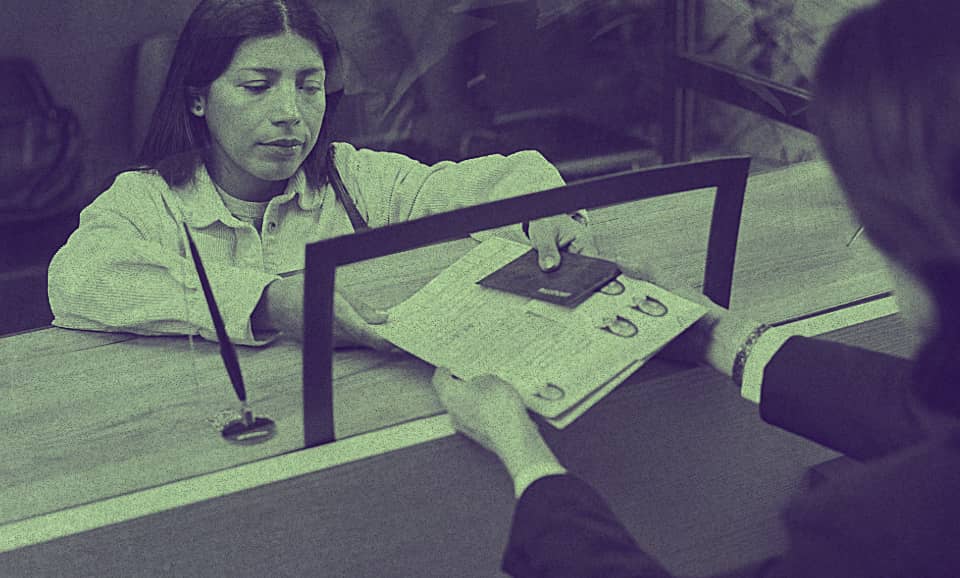
For American citizens and Green Card holders, building a life with a non-American spouse in the United States can be a long and challenging journey. The IR-1 and CR-1 immigrant visas (spouse visas) are the primary tools used to bring a spouse to the U.S. as a lawful permanent resident. Unlike temporary or “non-immigrant” visas, these categories lead directly to a Green Card, allowing your partner to live and work in the country from the moment they arrive.
Immigration journey can go smoothly only when you know which visa category applies to your marriage. The difference between an IR-1 and a CR-1 is not based on the quality of your relationship, but rather on its duration. In this guide, we will break down the eligibility requirements, the step-by-step application journey, and the timelines you can expect as you work to bring your family together to the U.S.
By preparing for the upcoming steps ahead—from the initial petition to the final consular interview—you as couples can reduce the stress of separation and move toward your shared future with confidence.
What Are the IR-1 and CR-1 Visas?
The IR-1 (Immediate Relative) and CR-1 (Conditional Resident) visas are immigrant visas issued to the foreign spouses of U.S. citizens or Lawful Permanent Residents (Green Card holders). These visas are processed through “consular processing,” meaning the foreign spouse remains in their home country while the application moves through the government agencies.
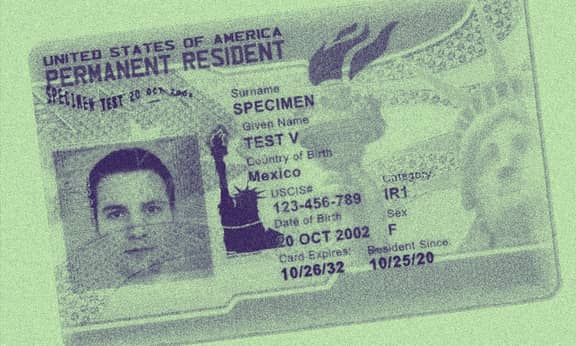
The main point of these visas is that they grant the recipient permanent resident status immediately upon entry into the U.S. This is a big advantage over other visa types, as it removes the need to file for an “Adjustment of Status” after arrival. From the day your spouse passes through a port of entry, they are authorized to live anywhere in the country and accept employment without needing a separate work permit.
While the application process for both is nearly identical, the government uses these two labels to differentiate between newer and old marriages. This allows the U.S. Citizenship and Immigration Services (USCIS) to monitor the “bona fides” or authenticity of a marriage over time.
IR-1 vs. CR-1: What Is the Difference?
The difference between these two categories stems from how long you have been married at the time your spouse enters the country with their immigrant visa.
- CR-1 (Conditional Resident): If you have been married for less than two years on the day your spouse arrives in the U.S., they are granted a CR-1 visa. This gives them “conditional” permanent residency valid for two years. To keep their status, the couple must file a joint petition to “remove conditions” (Form I-751) in the 90 days before the two-year anniversary of their arrival.
- IR-1 (Immediate Relative): If you have been married for two years or more when the visa is issued or when the spouse enters the U.S., they receive an IR-1 visa. This grants a standard 10-year Green Card with no conditions attached.
The CR-1 status is essentially a probationary period designed to prevent marriage fraud. If the marriage is genuine and the couple remains together, transitioning from a CR-1 to a permanent 10-year status is only a routine procedural step.
Who Can Sponsor an IR-1 or CR-1 Visa?
Eligibility for sponsorship is not limited to U.S. citizens. Lawful Permanent Residents (Green Card holders) can also petition for their spouses. However, there is a key difference between the two:
- U.S. Citizens: Spouses of citizens are considered “Immediate Relatives.” There is no annual cap on the number of these visas issued, meaning a visa is always immediately available once the petition is approved.
- Green Card Holders: Spouses of permanent residents fall under the “Family Preference” (F2A) category. These are subject to annual quotas. While the F2A category is often “current” in the monthly Visa Bulletin, there can be waiting lists depending on the current demand and the applicant’s country of birth.
Regardless of the sponsor’s status, the marriage must be legally valid in the place where it was officiated. Common-law marriages may qualify if they are recognized by the local government, but marriages that violate U.S. public policy are not eligible for sponsorship.
Read also: What is the Marriage Green Card and How to Obtain It?
Step-by-Step Application Process
Bringing a spouse to the U.S. through consular processing involves four stages, moving from USCIS to the National Visa Center (NVC), and finally to the local U.S. Embassy or Consulate.
- Step 1: The Petition (USCIS): The U.S. sponsor files Form I-130, Petition for Alien Relative. This form establishes the legal relationship. You must include evidence of a “bona fide” marriage, such as photos, shared bank accounts, or birth certificates of children.
- Step 2: NVC Processing: Once USCIS approves the I-130, the case is sent to the NVC. Here, you will pay the fees and submit the “Affidavit of Support” (Form I-864) to prove the sponsor can financially support the spouse. The foreign spouse also submits their digital visa application (DS-260).
- Step 3: The Medical Exam and Interview: After the NVC reviews and qualifies the documents, the case is forwarded to the U.S. Embassy or Consulate in the spouse’s home country. The spouse must undergo a medical exam by an authorized physician and attend an in-person interview with a consular officer.
- Step 4: Visa Issuance and Entry: If approved, the visa is placed in the passport. The spouse then has six months to enter the U.S. Upon entry, the Green Card is processed and mailed to their U.S. address.
Following these steps in order helps keep the case moving through the various government departments. By staying organized throughout this timeline, you can help avoid unnecessary delays in your spouse’s arrival.
Required Documents for IR-1/CR-1
The success of your application relies on the strength of your documentation. The consular officer must be convinced that the marriage is real and that the spouse will not become a “public charge.” Henceforth, it is important to look at the following requirements to make sure your file is complete:
- Form I-130 and I-130A: The primary petition and the supplemental information for the spouse.
- Evidence of Bona Fide Marriage: Joint leases and bank statements, tax returns filed as “married,” and photos of the couple together over a period of time.
- Proof of Sponsor’s Status: A copy of a U.S. passport, birth certificate, or Green Card.
- Form I-864 (Affidavit of Support): Recent tax transcripts and pay stubs showing the sponsor meets the federal poverty guidelines.
- Civil Documents of the Spouse: Original birth certificate, police certificates from all countries they have lived in, and any prior divorce decrees.

Gathering these records early on prevents last-minute stress during the final stages of the application. A well-rounded evidence is the best way to show the government that your relationship is legitimate and stable.
Processing Times and Costs
Managing expectations regarding time and money is essential for families planning their move to the U.S.. As of early 2026, the general breakdown of the processing times and estimated costs are as follows:
Estimated Processing Times:
- USCIS Processing (Form I-130): 10 to 15 months on average.
- NVC and Consulate Processing: 6 to 10 months, depending on the embassy’s backlog.
Total Timeline: Generally 18 to 24 months from the first filing to the arrival in the U.S.
Estimated Costs:
- Form I-130 Filing Fee: $625 (online) or $675 (paper).
- NVC Fees: $120 for the Affidavit of Support and $325 for the Immigrant Visa Fee.
- USCIS Immigrant Fee: $235 (paid after the visa is issued but before travel).
- Medical Exam: Varies by country, usually $200–$500.
Knowing these figures and dates helps you plan your budget more effectively. While these timelines and costs can change, being prepared for the standard duration and cost of the process keeps your expectations realistic.
*Please note that all filing fees, costs, and estimated processing timelines provided here are valid as of April 2026. Because immigration regulations, government fees, and agency backlogs are subject to frequent change, these figures are for general planning purposes only. For the most up-to-date fees and real-time processing updates, you should always consult official U.S. government sources, such as the USCIS and Department of State websites.
IR-1/CR-1 vs. K-3 Visa: Which Path is Faster?
The K-3 visa was originally created to shorten the time a spouse spends apart from the U.S. citizen during a long I-130 backlog. However, in the current immigration environment, the K-3 has become nearly obsolete.
Researching these options now helps you find a path that actually fits your needs, saving you from stressful delays. Because the NVC almost always processes the I-130 and the K-3 petition (I-129F) at the same time, they typically close the K-3 and proceed with the immigrant visa. In almost every case, sticking with the IR-1 or CR-1 is the fastest and cost-effective choice, as it avoids the extra step of adjusting status after arrival.
Read also: What is the (Fiancé(e) Visa? Eligibility Requirements, Processing Time, and More
What Happens After Your Spouse Arrives in the U.S.?
Once your spouse passes through the port of entry, their passport is stamped, and that stamp serves as a temporary I-551 (Green Card) for up to one year. This allows them to work and travel immediately.
If they arrived on a CR-1 visa, you must mark your calendar for the two-year anniversary. Failure to file the I-751 petition to remove conditions can result in the loss of their residency and removal from the country. If they arrived on an IR-1 visa, they simply need to renew their 10-year card when it expires, just like any other permanent resident.
Staying on top of the rules linked to your visa helps you keep your legal status while building your new life together. Every marriage has its own path into the U.S. system, so being informed is simply the best way to set yourself up for success.
See the table below for a comprehensive comparison of CR-1 and IR-1
| Feature | CR-1 (Conditional Resident) | IR-1 (Immediate Relative) |
|---|---|---|
| Marriage Duration | Less than 2 years at time of entry. | 2 years or more at time of entry. |
| Green Card Validity | 2 years (Conditional). | 10 years (Permanent). |
| Removing Conditions | Must file Form I-751 before expiry. | No conditions to remove. |
| Rights (Work/Travel) | Immediate upon arrival. | Immediate upon arrival. |
| Application Process | Consular processing (I-130, DS-260). | Consular processing (I-130, DS-260). |
| Government Fees | Same as IR-1 (plus future I-751 fee). | Same as CR-1. |
| Naturalization | Eligible after 3 years (if still married). | Eligible after 3 years (if still married). |
IR-1 and CR-1: Frequently Asked Questions
What is the difference between the IR-1 and CR-1 visa?
The CR-1 is for couples married less than two years and is conditional; the IR-1 is for couples married more than two years and is permanent.
How long does IR-1/CR-1 processing take?
The total time is currently between 18 and 24 months, depending on USCIS backlogs and local embassy schedules.
Can a Green Card holder sponsor their spouse?
Yes. However, the spouse may have to wait for a visa number to become available in the F2A category, whereas spouses of citizens have no such wait.
What documents are required for the IR-1/CR-1 application?
You need the I-130 petition, proof of the sponsor’s status, evidence of a real marriage, financial support documents (I-864), and the spouse’s civil records.
How is the IR-1/CR-1 different from the K-1 fiancé visa?
The K-1 is for engaged couples to marry in the U.S., while the IR-1/CR-1 is for couples already married who want to immigrate as residents.
Does my spouse get a green card immediately upon arrival with an IR-1 visa?
Yes. Their status as a permanent resident begins the moment they enter the U.S., and the physical card is mailed shortly after.
Can my spouse work immediately upon arrival?
Yes. The immigrant visa stamp in their passport serves as temporary proof of their right to work until the physical Green Card arrives.
What happens if we get divorced during the CR-1 conditional period?
Divorce can complicate the process of removing conditions, but waivers are available if you can prove the marriage was entered into in good faith.
To sum up, the spousal visa process is a marathon of paperwork and patience, but it is the most reliable way to help your family’s future in the country. By focusing on meticulous documentation and understanding the milestones, you can successfully navigate the road to residency. The Grape Law team is dedicated to helping families reunite and build their lives in the U.S. If you are ready to begin the sponsorship process or have questions about your case, we are here to provide the expertise you need. For more information, reach out to us at info@grapelaw.com.

Categories