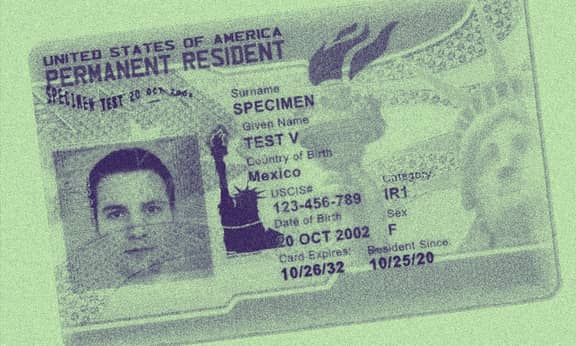
For many immigrants already residing in the United States, filing Form I-485, Application to Register Permanent Residence or Adjust Status, represents the final and most anticipated milestone in the residency process. “Adjustment of Status” is the application pathway that allows an eligible individual to transition from a non-immigrant status to that of a lawful permanent resident (Green Card) without having to return to their home country for consular processing. It is the bridge between temporary stay and a permanent future in the U.S.
Understanding the timeline and procedure of the I-485 process is vital for managing both your legal status and your personal life. Because this stage involves various background checks, biometric data collection, and often a face-to-face interview with a government officer, the journey can feel both opaque and lengthy. In this guide, we will break down the chronological steps and provide clarity on what to expect at each stage of the adjustment process.
What is Form I-485?
Form I-485 is the form used by individuals present in the U.S. to apply for a Green Card. Whether you are adjusting through an employment-based petition, family sponsorship, or another category like asylum, the I-485 is your request for the U.S. Citizenship and Immigration Services (USCIS) to grant you permanent resident status.
The form itself is a comprehensive inquiry into your personal history, immigration record, and eligibility. It focuses on “admissibility,” meaning USCIS will evaluate whether you have any criminal history, health issues, or prior immigration violations that might bar you from becoming a permanent resident. Filing this form also allows you to concurrently apply for interim benefits, such as work authorization (EAD) and travel permission (Advance Parole), which are essential while the main application is pending.
Essentially, Form I-485 is the formal closing of your temporary stay and the opening of your permanent one. Because the stakes are high, ensuring that the form is completed accurately and supported by robust evidence is the most critical step in the entire timeline.
Read also: What is an Employment Authorization Document?
Step-by-Step I-485 Filing Process
The adjustment of status process consists of series of events with the applicant, their petitioner, and USCIS all taking their respective part. While every case is different, the following steps represent the standard trajectory for most applicants.
- Confirm Eligibility and Priority Date: Before filing, you must ensure your “priority date” is current according to the monthly Visa Bulletin. This determines when you are permitted to submit your application based on your category and country of chargeability.
- Medical Examination (Form I-693): Applicants must undergo a medical exam by a USCIS-designated civil surgeon. You can file the results with your initial package to avoid a Request for Evidence (RFE) later.
- Submit the Filing Package: Mail your completed Form I-485 along with all supporting documents, including proof of legal entry, birth certificates, and the required filing fees.
- Receive Receipt Notices: USCIS will mail “Notice of Action” (Form I-797C) receipts, confirming they have received your application and assigned it a case number.
- Biometrics Appointment: A few weeks after filing, you will be summoned to a local Application Support Center to provide fingerprints, a photograph, and a signature.
- Request for Evidence (If Applicable): If USCIS requires more information or missing documents, they will issue an RFE. You should swiftly respond to the inquiry.
- Interview and Final Adjudication: Many applicants are called for a local interview. If approved, your Green Card will be mailed to your registered address shortly thereafter.
Adhering to this order helps maintain the momentum of your case. Missing a single deadline or failing to respond to a government notice can lead to months of unnecessary delays or even an outright denial.
Biometrics Appointment: What to Expect
The biometrics appointment is the first “active” step in the timeline after you have submitted your paperwork. This appointment is not an interview; rather, it is a data collection session where USCIS gathers your fingerprints, photograph, and digital signature. This information is used to conduct mandatory criminal background checks and to verify your identity.
When you arrive at the Application Support Center (ASC), the process lasts about 15 to 30 minutes. You must bring your appointment notice and a valid government-issued photo ID, such as your passport. The staff will capture your prints and photo, which will eventually be used on your physical Green Card. It is important to attend this appointment as scheduled, as rescheduling can push your total processing time back.
Once your biometrics are captured, USCIS proceeds with the background check phase. If everything is clear, your case will move toward the “ready to be scheduled for an interview” stage.
Read also: An Introduction to Green Card Options
I-485 Interview: How to Prepare
The I-485 interview is the final stage where a USCIS officer reviews your application in person to confirm the details and assess your credibility. While some employment-based and certain family cases may have the interview waived, you should always prepare as if it will happen. The officer’s goal is to ensure that your relationship (in family cases) or your job offer (in employment cases) is genuine and that you remain admissible to the U.S.

To prepare effectively, you should review your entire filing package so that your verbal answers match your written ones. You must bring the following essential documents to your interview:
- The original interview notice sent by USCIS.
- A valid government-issued photo ID (your passport will do).
- Originals of all civil documents (birth certificates, marriage licenses, divorce decrees).
- Proof of legal entry into the U.S. (I-94 record and passport stamps).
- Form I-693 Medical Exam results (if not previously submitted).
- Updated evidence of eligibility (recent pay stubs for employment cases or joint financial records for marriage cases).
During the interview, remain calm and answer only the questions asked. If you do not know the answer to a question, it is better to say you don’t remember than to guess. Successful preparation turns a stressful encounter into a straightforward confirmation of facts, clearing the way for final approval.
Current Processing Times
One of the most frequent questions applicants ask is how long the entire process will take. Currently, I-485 processing times vary based on the category and location. As of early 2026, the general processing ranges are as follows:
- Family-Based (Immediate Relatives): 10 to 18 months on average.
- Employment-Based: 8 to 22 months, depending on the service center.
- Asylee/Refugee Based: 12 to 24 months.
- Other Categories: 18 to 30 months.
Factors such as the volume of applications at a given office, the complexity of your background check, and whether your interview is waived all affects the speed of adjudication. You should also account for the time it takes to receive your interim work and travel permits, which usually arrive mid-way through the process.
Tracking Your I-485 Case Status
Fortunately, USCIS provides several tools for applicants to monitor their progress. Once you have your receipt number, the most common method is the “Check Case Status” online tool. This provides real-time updates, such as when your biometrics are scheduled, if an RFE has been sent, or when your interview has been booked.
For a more comprehensive view, you can create a personalized “myUSCIS” account. This allows you to see a history of your case, view electronic copies of notices, and sometimes receive estimated completion dates. Additionally, you can sign up for email or text alerts so that you are notified the moment a change occurs in your file.
Common I-485 Delays and How to Handle Them
Delays in the adjustment of status process are common and can be frustrating. Understanding the root cause of a stall allows you to take the appropriate corrective steps, which you can find below:
- Request for Evidence (RFE): Occurs when documentation is missing or outdated.
- How to handle: Submit a complete, organized response within the timeframe provided. Double-check that all requested forms are signed.
- Security and Background Check Delays: External agencies may take longer to clear your records.
- How to handle: If the delay exceeds normal processing times, file a service request or contact the USCIS Ombudsman.
- Medical Exam Expiration: The I-693 is valid for a limited window.
- How to handle: If your case takes longer than two years, be prepared to undergo a new medical exam and submit the updated form.
- Administrative Backlogs: High volume at specific field offices.
- How to handle: Monitor the official processing times; once your case is past the “receipt date for inquiry,” submit an official case inquiry online.
- Missing Visa Numbers: For preference categories, a visa must be available for final approval.
- How to handle: Regularly check the Visa Bulletin to ensure your priority date remains current.
Handling delays requires a mix of patience and proactivity. While some pauses are simply part of the bureaucratic cycle, knowing when to take action can prevent your application from languishing.
I-485 Adjustment of Status: Frequently Asked Questions
How long does I-485 adjustment of status take?
- The timeline generally ranges from 8 to 24 months, depending on your category and the workload of the USCIS field office.
What happens after I file I-485?
You will receive receipt notices, followed by a biometrics appointment and potentially an interview or a request for evidence.
Do I need an interview for I-485?
Many family-based cases require one, but USCIS has recently been waiving interviews for many employment-based and some marriage-based applicants with a convincing case.
Can I work while my I-485 is pending?
Only if you have an independent work-authorized status (like H-1B or L-1) or if you apply for and receive an Employment Authorization Document (EAD) based on your pending I-485.
How do I track my I-485 case status?
You can use your receipt number on the USCIS “Check Case Status” website or create a myUSCIS account for detailed history and alerts.
In sum, while the I-485 process is detailed and rigorous, it is the definitive path to your permanent future in the U.S. Staying informed and prepared for each milestone—from biometrics to the final interview—is the best way to make sure a smooth transition to Lawful Permanent Residency.
The Grape Law team is dedicated to guiding you through every stage of this complex process. If you have questions about your eligibility, filing strategy, or how to handle a delay in your case, our experts are ready to assist. For more information, please reach out to us at info@grapelaw.com.

Categories